Commercial Security Self-Assessment Checklist Video Transcript
I’m Eric Brackett, Founder of BTI Communications Group, Ltd. We put this free Office Security Checklist on our website so you’d have a practical tool for enhancing security and workplace safety right away.
This checklist will help you evaluate and consider the best practices to secure your offices, warehouses, factory floors, and perimeter areas.
The checklist covers the most effective security safeguards and deterrents in commercial security technology. These include building and door access control, video security, visitor management, alarm systems, and emergency readiness.
The detailed checklist items in each category will help you identify easy wins to enhance security right away, as well as ideas for improved security system technology.
The biggest productivity and security gains come from effective perimeter and door access control. Ensure main entrances have controlled access. Force visitors to check in at reception. Secure secondary doors with credentials and emergency exit doors with alarms. Ensure loading docks have controlled access. Secure ground-floor windows and maintain well-lit parking areas.
Ensure individual credentials for employees and track temporary credentials and deactivate them when no longer used. Maintain an inventory of credentials, and restrict access based on roles. Regularly review permissions, configure alerts, and test systems annually. Access logs should be retained and reviewed for anomalies, and correlated with video footage when necessary.
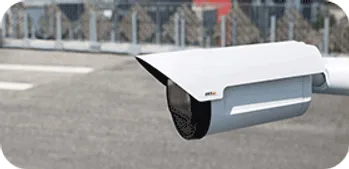
A robust video surveillance system deters unauthorized activity and provides evidence. Ensure cameras cover entry points, parking areas, and sensitive zones. Maintain recording systems for reliable footage. Evaluate camera placement, image clarity, and recording retention. Regularly update firmware and monitor system health to prevent failures.
A professionally monitored alarm system is crucial for security, requiring proper configuration and dual-path communication. This ensures alarm signals transmit via both internet and cellular, preventing outages from silencing alarms. Key components include door contacts, motion sensors, and panic buttons, all tested regularly. Ensure cellular backup is active and communication paths are verified.
Visitor management is crucial for security. Ensure all visitors check in, verify IDs, and wear visible badges. Escort visitors at all times and restrict access to sensitive areas. Maintain a visitor log for accountability and emergency situations. Pre-approve contractors and limit their access to necessary areas only.
Ensure all security system accounts are unique and not shared. Change default passwords and remove access for former employees and vendors. Regularly update firmware and software. Limit remote access to authorized users and secure methods. Maintain and review audit logs, and manage vendor access strictly.
Evaluate your emergency response and employee training. Ensure a written plan is accessible, covering evacuation, shelter-in-place, and lockdown. Employees must know procedures, report incidents, and use panic buttons. Conduct annual drills, provide security orientation for new hires, and refresh training yearly. Effective training enhances your security posture.
Consolidate identified gaps into a prioritized action plan. Record details for each Critical Gap or Needs Improvement item. Transfer summary notes to this plan.
Use System Surveyor for a professional assessment, mapping your facility and identifying gaps. This transparent process ensures you see the proposed system before installation.
If you find you have gaps that require updates to your access control, cameras, or alarms, schedule a free assessment with BTI. Share your checklist, and we’ll map your facility using a digital property plan. Receive a detailed, itemized proposal with no obligation.
Contact BTI Communications Group for expert security solutions in Southern California, Phoenix, and Chicagoland.
This checklist by BTI Communications Group is a general reference for business security discussions. It’s a starting point for self-assessment, not professional advice. Review findings with a licensed security professional.
BTI is licensed in Illinois, Arizona, and California. No warranties or liabilities are assumed by BTI for checklist use.


 Axis
Axis exacqVision
 Milestone
 OpenPath
 HID
HID RS2
RS2 Eagle Eye Networks
 Brivo
Brivo DSC
DSC Motorola Solutions
 Avigilon Alta
 Alarm.com
 Kantech
 Cisco Meraki
 YourSix
 Bosch
Bosch Avigilon Unity
 Ava Security